This article was previously published on education-region.co.uk and is shared here with permission.
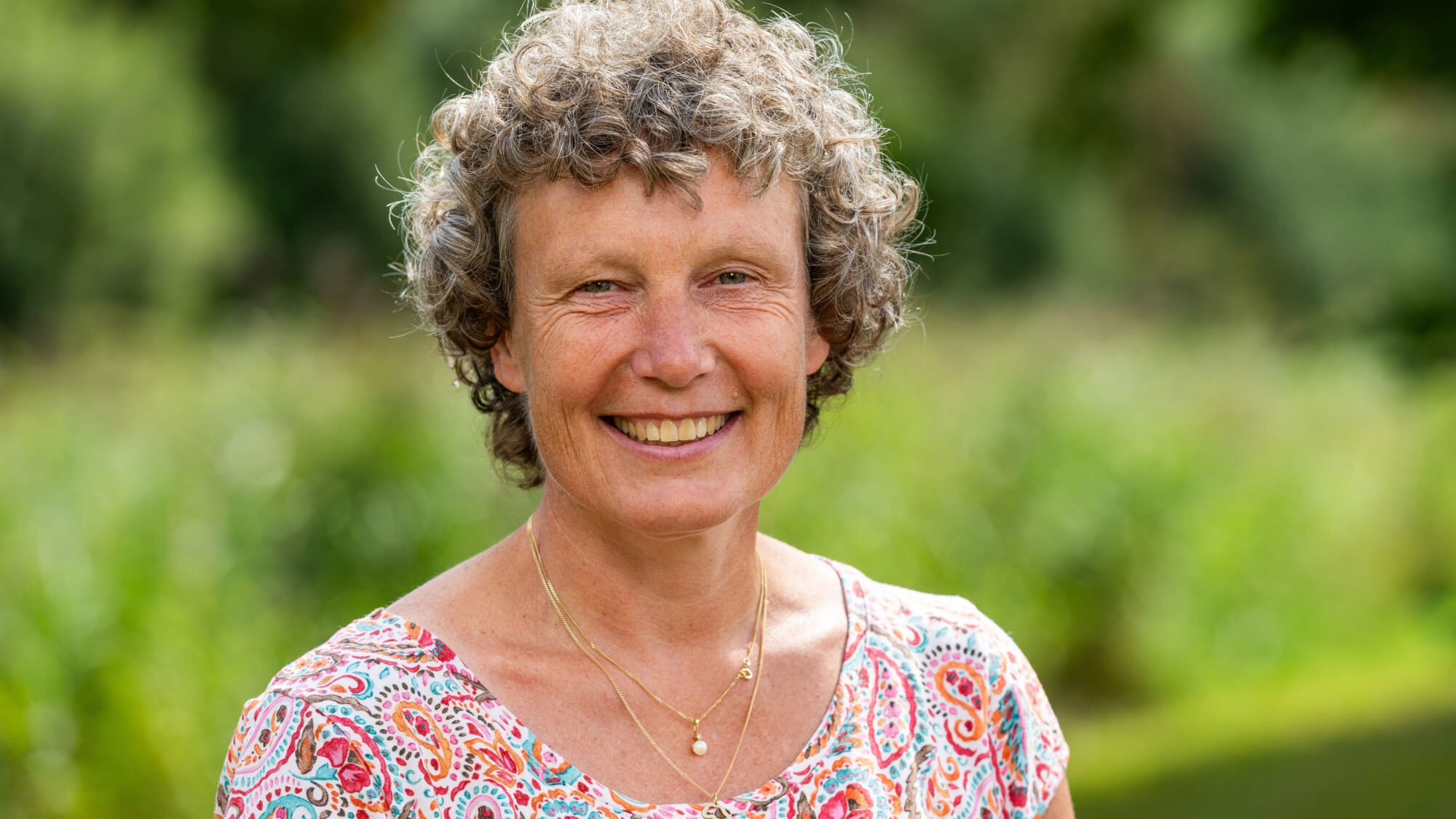
The cooperation in Education Region Hollands Noorden is partly shaped by a regional academy for training. This academy combines the training offer for employees of 20 educational organisations and makes professionalisation more accessible and uniform. We interviewed Claudia van de Peppel, programme leader Learning & Development of this education region.
Why a regional academy?
From the cooperation within the education region, a desire arose to tackle professionalisation together. To investigate exactly where the need lay, Claudia visited all 20 participating VO and MBO school boards. Some boards were already considering their own in-house academy, smaller organisations did not have the resources to set up such a system independently. This gave rise to the idea of exploring a joint regional academy.
What is the regional academy?
“Our regional academy is a digital platform that brings together a wide range of learning activities for education professionals. Employees can find classroom training as well as online sessions, videos, podcasts and reading materials. Learning and development is offered very broadly,” says Claudia.
The academy was formally approved by the general membership meeting of Education Region Hollands Noorden in May 2025. Last November, it could be made available to employees by unlocking each board's own academy, with learning activities organised regionally on the back end. This way, recognisability is maintained for employees, while behind the scenes the offerings are jointly built. The platform now contains dozens of training courses. In the period between the Christmas and May holidays, around 35 regional training courses are planned, in addition to activities added by the individual education boards themselves.
How does the academy work in practice?
The offer arises partly from existing successful training courses, but increasingly also from joint demand from schools. Boards identify the development needs of staff and teams. “Everyone provides their wishes and then we make an overview of where the emphases are. Then we jointly decide which physical training courses to organise where,” says Claudia.
This avoids duplication and allows training sessions to be spread regionally. If a topic is mainly in the south of the region, training can be organised there; if there is interest throughout the region, the same training can take place several times. The academy is open to all staff in the region: teachers, support staff and school leaders. Participation is free for employees, as the trainings are paid from regional budget.
The first results are now visible. As more boards give their employees access, the number of training registrations also increases. “We notice that as soon as more employees get access, the number of registrations goes up. So far, we have not had to cancel any trainings,” says Claudia. According to her, the academy shows how cooperation between school boards can lead to a richer and more accessible training offer for education in the region.
Cooperation educational regions
“Education Region Hollands Noorden is participating in the educational consortium around NAPL because cooperation around professionalisation can strengthen us all. It is useful to exchange experiences and convenient to think about professionalisation activities together. This way, we might be able to link the offer, which will hopefully make it richer and fuller.
The learning arrangements we are now developing are a good example of our collaboration. Collaboration is our way of doing things, not only on professionalisation. Also on training and research, we seek cooperation with surrounding educational regions; where we can work together on a project basis. ‘Alone you go faster and together you go further’ is a saying I embrace and take with me in my work. In working within the region and within NAPL.
To collaborate with each other very operationally, it would be super nice if the surrounding education regions build their academy with the same learning system, because then we can easily open up our learning offerings to each other's staff.”